Pather
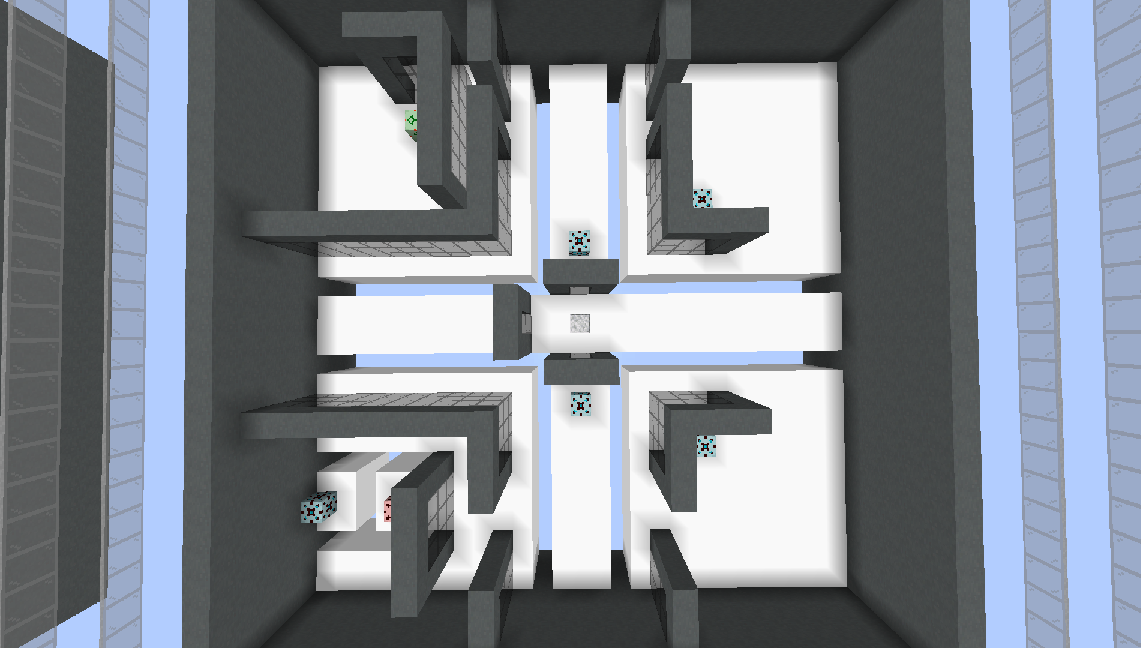
Pather is a short puzzle map I developed over the course of three days in 2020. You guide pathy to his objective by building a path with various guide blocks. It features 6 levels and short tutorial.
About
I don't release many of the personal projects I start and I'd like to imagine this is true for most people. Pather was my attempt at just creating and releasing something, regardless of polish or scale. Every part of the project I did myself——art, levels, mechanics, and design. It took roughly fifteen hours across three days and was released in a sleep deprived haze on the 29th of February, 2020.
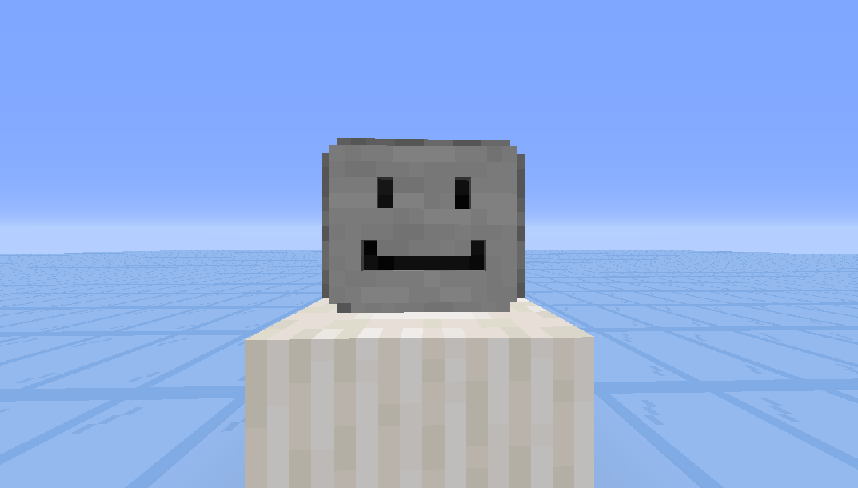
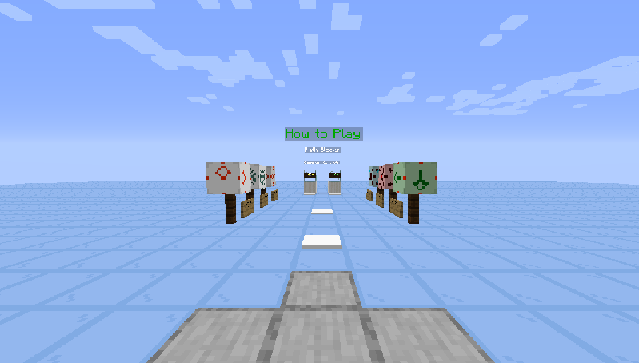
The initial idea for Pather came from automation games, specifically conveyer belts. I played around with a few concepts but quickly settled on a robot which moves along player placed tracks. At this point I realized the need for checkpoints, so as to add complexity and expand what I could do with regards to level design. Because as it turns out levels are a lot harder to design when the player simply has to make a line of blocks from start > finish. The checkpoint system also aided in keeping the levels small, which for a game I initially intended to make in a single all-nighter was a necessity.
A bit more experimentation later and I came up with the teleporter block. However, getting it to work seamlessly was tricky. The problem was the block needed to find the closest guide block to teleport Pathy to in the direction Pathy was facing when he arrived at the teleporter. And more importantly, this block had to be detected every time the level was tested and could only take a single tick.
The prefferable solution would have been to create a complex system in which every guide block knew about every other block and could pre-determine at runtime which block Pathy should be teleported to. That would have been too time consuming however, so recursive functions it was!
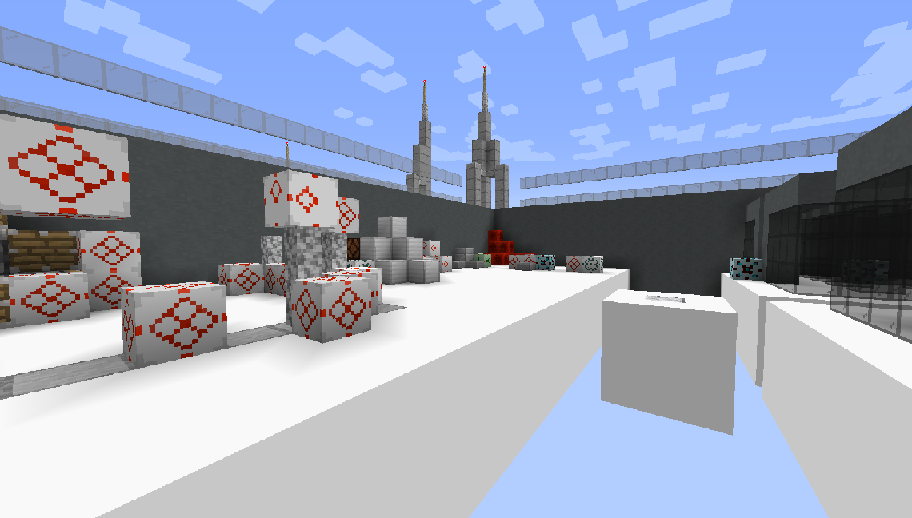
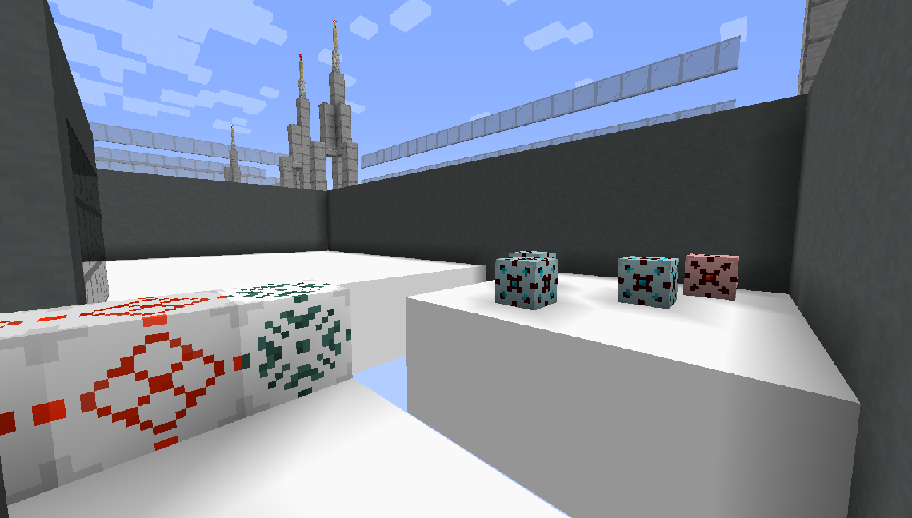
Recursive functions in Minecraft work much the same as normal recursion in programming. That is if you ignore the dozen quirks, weird entity interactions, and the fact that it's a lot easier to crash Minecraft with recursion than it is any modern IDE. But in the end it all worked out. Six levels and a simple tutorial later and the map was as ready as it was going to be. Now two years later it has a little over nine-hundred downloads. A moderate success I'd like to think.
I'd say I learned some big lesson from making Pather. Something about focusing on projects you know you can finish and saving the project you really want to make until you know forsure you can finish it. But to be honest I've heard all that countless times before. And while I'm in the group that believes it has merit I'm also in the intersecting group which believes that starting a project, fully aware you aren't likely to finish it, isn't necessarily a bad thing.
I'm of the belief that experimentation is one of the best ways a person can improve at a craft and game design is no exception. So sure, maybe you start that big project and only get a fraction of the way into making it before some other new thing steals you away but I'd argue that isn't a bad thing. Nothing is stopping you from returning to it later and even if you never touch it again, well, theres always the next one. Because at the end of the day, good ideas are easy, good implementations are not and its better to have a poor implemenation than no implemenation at all.